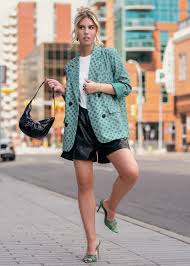
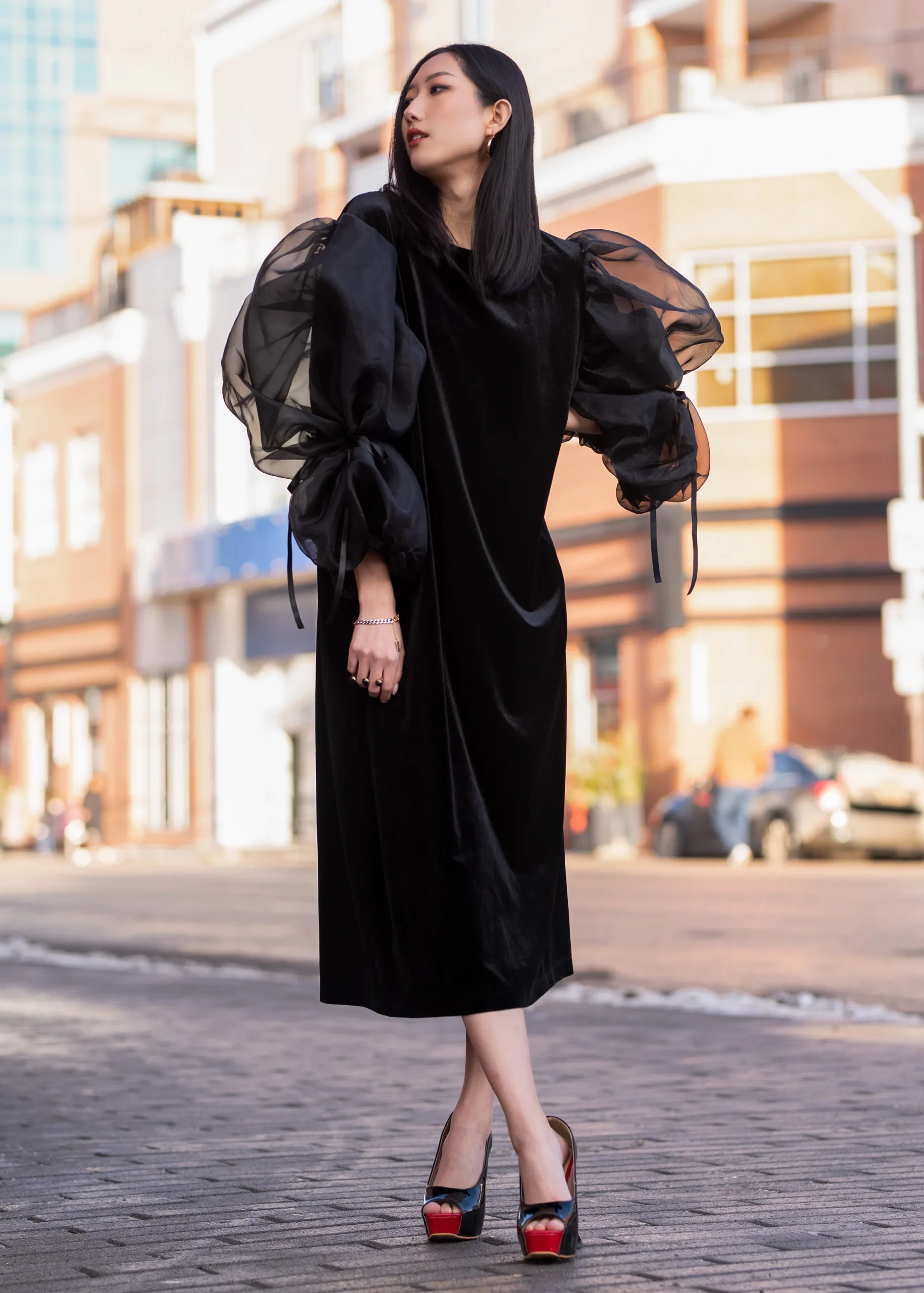
Ever try on a shirt you love, only to realize it makes you look dull or washed out? It’s not always the clothing sometimes it’s the color. Choosing clothes that complement your skin tone can brighten your complexion, enhance your natural features, and make any outfit look more expensive and intentional.
The goal isn’t to restrict your wardrobe it’s to highlight the shades that make you look vibrant, glowing, and confident. Once you understand how skin tone works, styling becomes easier and more fun.
Step 1: Determine Your Skin Undertone
Your surface skin color may change with seasons, but your undertone stays the same. Undertone refers to the subtle hue beneath your skin. There are three main undertones:
- Warm: Golden, peachy, or yellow hues
- Cool: Pink, red, or blue hues
- Neutral: A balanced mix of warm and cool
How to Find Your Undertone
- Vein Test: Look at the veins on your wrist.
- Greenish veins → Warm undertone
- Bluish or purple veins → Cool undertone
- A mix of both → Neutral undertone
- Jewelry Test: Which looks better on you?
- Gold jewelry enhances your glow → Warm
- Silver jewelry flatters you more → Cool
- Both look equally good → Neutral
- Sun Reaction Test: How does your skin react to the sun?
- Tan easily → Warm
- Burn or turn pink first → Cool
- A bit of both → Neutral
Once you identify your undertone, choosing clothing colors becomes much easier.

Best Clothing Colors for Each Undertone
Warm Undertones
If your undertone is warm, earthy and rich colors enhance your natural glow.
- Olive green
- Mustard yellow
- Burnt orange
- Warm browns
- Coral and peach
- Ivory instead of pure white
Avoid cool icy tones like bright blues or stark white they may make your skin appear uneven or dull.
Cool Undertones
Cool undertones shine in jewel-like, elegant shades.
- Emerald
- Sapphire blue
- Lavender and royal purple
- Cool gray and crisp white
- True red (with blue base)
Warm oranges or browns may clash with your natural coloring cooler hues enhance your radiance.
Neutral Undertones
If you’re neutral, you can wear almost anything but soft, muted colors tend to look most natural.
- Soft rose
- Dusty blue
- Sage green
- Beige and taupe
- Soft white or cream
Avoid colors that are too bright or too neon they may overpower your natural balance.
Understanding Skin Depth Matters Too
Skin depth refers to how light or deep your skin appears. Two people with warm undertones may need different shades depending on whether their skin tone is light, medium, or deep.
| Skin Depth | Best Color Intensity |
|---|---|
| Light / Fair | Softer, pastel-like shades |
| Medium | Mid-tone, rich colors |
| Deep | Bold, saturated hues |
Think of it like matching volume deeper skin tones can carry deeper colors beautifully, while lighter tones may glow more in softer shades.
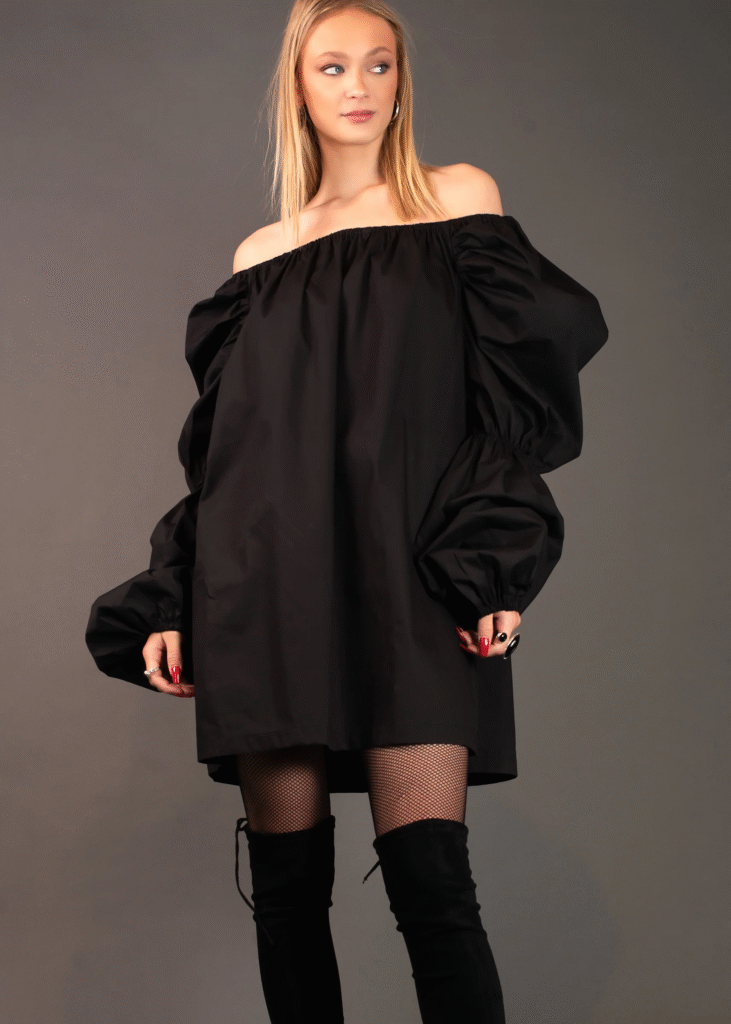
Prints and Patterns
You don’t need to avoid patterns just be strategic.
- Warm undertones: Natural, earthy prints (florals, leaves, warm-toned plaid)
- Cool undertones: Geometric and clean patterns with cool-toned accents
- Neutral undertones: Minimalist and soft-color patterns
Fabric Finishes Matter Too
Some fabrics can reflect light differently and enhance your tone:
- Warm skin: Matte, textured fabrics look natural
- Cool skin: Satin or cooler-sheen fabrics can highlight cool undertones
- Neutral skin: Both work choose depending on outfit mood
Quick Formula to Shop Smarter
- Identify your undertone.
- Match clothing colors to your undertone’s palette.
- Choose shade depth based on how light or deep your skin tone is.
- Leave room to experiment style is personal!
Final Thoughts
Choosing clothes for your skin tone doesn’t have to feel complicated once you know your undertone, you naturally begin noticing which colors make you look brighter, healthier, and more confident. The goal isn’t to limit yourself, but to build a wardrobe that works with your natural beauty, not against it.
When your clothing enhances your skin tone, you don’t just look better you feel better, too.