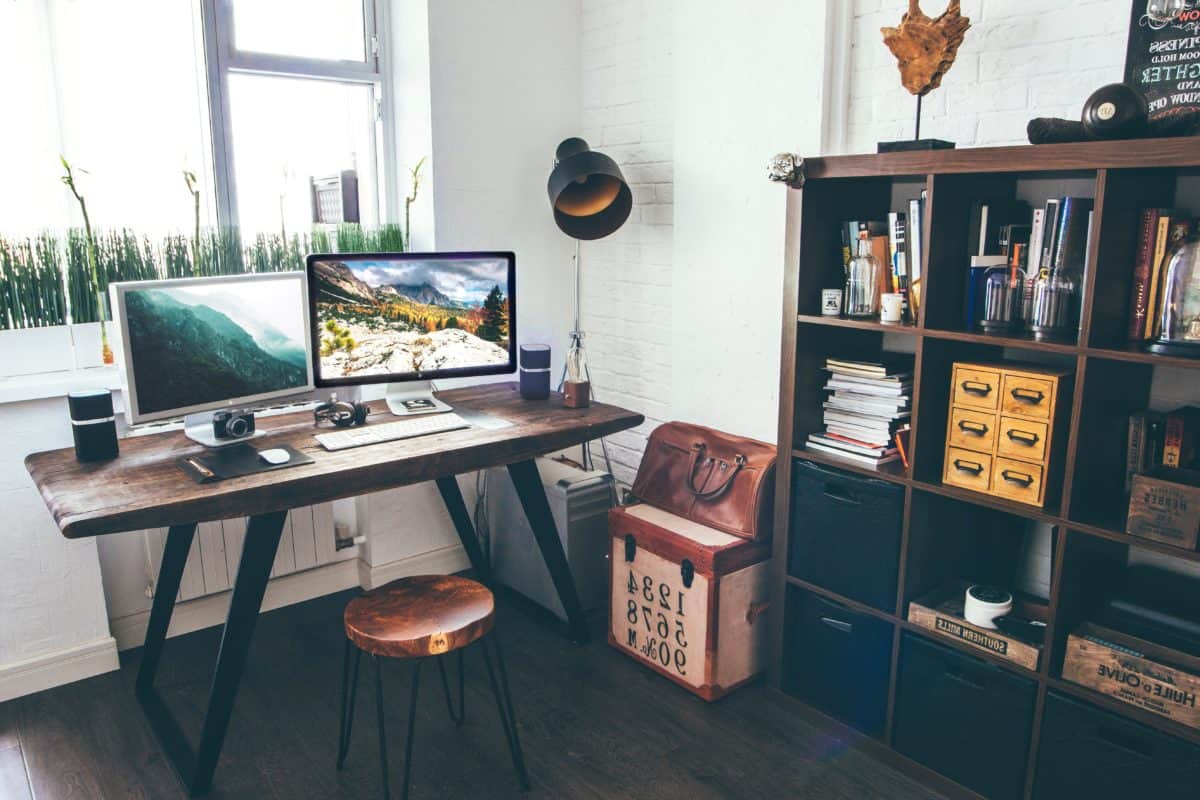
Working from home can be incredibly rewarding but only if your space supports your productivity, creativity, and comfort. A well-designed home office can help you stay focused, feel energized, and actually look forward to sitting down at your desk each day. Whether you have a dedicated room or just a corner of your living space, the right setup makes all the difference.
This guide will walk you through practical, stylish, and budget-friendly ways to create a home office you genuinely enjoy spending time in so work feels less like a chore and more like something you’re ready to own.
Why Your Home Office Matters
The environment you work in directly affects your mood, performance, and creativity. A cluttered, uninspiring space often leads to distractions and stress. On the other hand, an organized and thoughtfully designed workspace can help you:
- Stay focused longer
- Reduce stress and mental fatigue
- Get tasks done faster
- Feel inspired and intentional
Your workspace should support your goals not work against them.
Step 1: Choose the Right Location
You don’t need a separate room, but you do need a defined workspace. Choose a spot that minimizes distractions and maximizes comfort.
Great location options include:
- A quiet corner of your bedroom
- A small section of your living room
- A walk-in closet converted into a mini-office (yes, this works!)
- A sunny space near a window
The key is separation. Even if it’s tiny, your workspace should feel like your space.

Step 2: Invest in Comfort Especially Your Chair
Your chair is the most important part of your home office setup. An uncomfortable chair affects your posture, back, mood, and focus.
You don’t need the most expensive ergonomic chair but you should look for:
- Good lower back support
- Comfortable seat cushioning
- Adjustable height
- A supportive back angle
If your chair hurts, you won’t enjoy working period.
Step 3: Use a Desk That Fits Your Space and Style
Choose a desk that is functional, fits your available space, and complements your interior aesthetic.
| Desk Style | Best For |
|---|---|
| Wall-mounted desk | Very small spaces |
| Standing desk | People who get restless sitting |
| Fold-away desk | Multi-purpose or shared spaces |
| Full workstation desk | Those needing storage and screens |
If your desk makes you feel cramped or overwhelmed, it’s not the right one even if it was on sale.
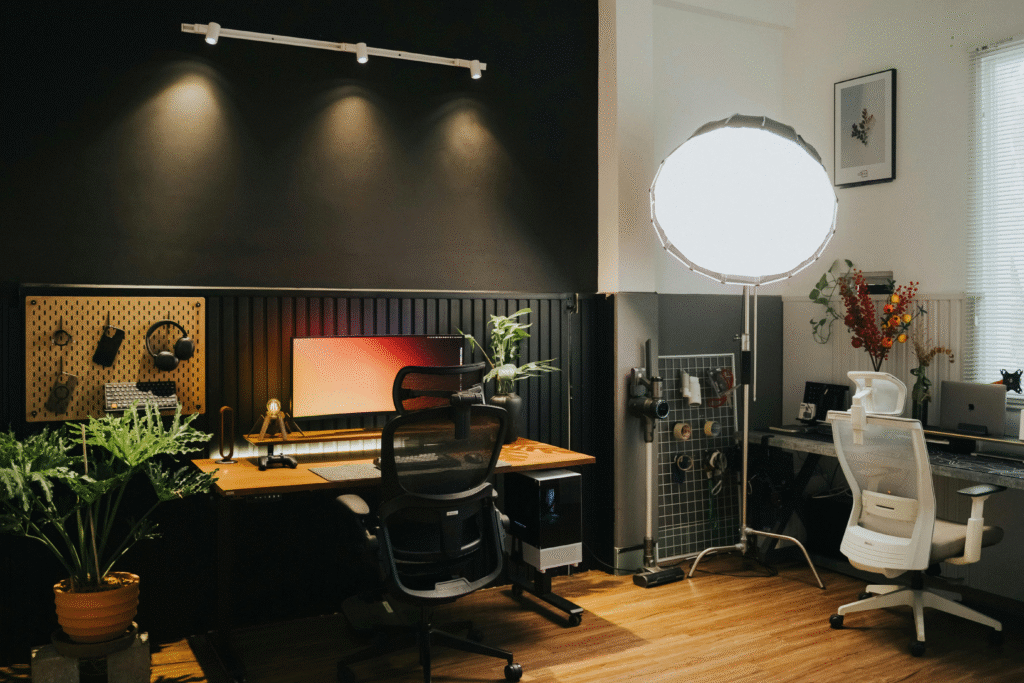
Step 4: Lighting Matters More Than You Think
Lighting influences concentration and mood. Natural light is best, but soft warm lighting can be just as supportive.
Try combining:
- A window or natural light source
- A desk lamp with warm-toned LED bulbs
- Possibly a small ambient light or floor lamp
Avoid harsh bright-white lighting it can cause headaches and visual stress.
Step 5: Clear Clutter and Keep Only What You Need
A messy workspace leads to a messy mind. Confident, productive environments are clean and intentional.
Keep your desk surface limited to:
- Your laptop or monitor
- Water bottle or coffee
- A notebook or planner
- One or two decorative items
Everything else should have a home.
Storage Ideas
- Under-desk drawers
- Wall shelves
- Small desktop organizers
- Rolling carts (great for tiny spaces)
Step 6: Add Personal Touches
Your home office should feel like you. Add elements that inspire your creativity and joy, like:
- Plants (even one small succulent boosts mood)
- A framed photo or print
- Your favorite scent (candle, diffuser, or spray)
- A cozy throw blanket or seat cushion
A workspace you love encourages you to keep showing up for yourself.
Step 7: Set Up for Productivity
Tools that simplify your workflow make working feel lighter and more enjoyable.
Helpful additions include:
- Noise-canceling headphones
- A desk calendar or whiteboard
- A designated daily planning notebook
- A cable organizer to reduce visual clutter
Simple systems are easier to maintain and that’s what keeps your space functional long-term.
Final Thoughts
A home office you enjoy isn’t just about aesthetics it’s about creating a space that helps you feel grounded, capable, and energized. When your environment supports your workflow and your well-being, your productivity and happiness naturally follow.
You deserve a workspace that feels good to be in and building it starts with one small intentional change at a time.