When your mind won’t quiet down at night, falling asleep can feel like a challenge. Thoughts race, stress lingers, and your body remains tense long after you climb into bed. But one of the most powerful tools for calming your system is something you already have: your breath.
Breathing techniques work because they directly influence your nervous system. Slow, intentional breathing signals your brain that it’s time to relax. Your heart rate slows, muscles soften, and your thoughts begin to settle. Even just a few minutes of guided breathing before bed can help you fall asleep faster and stay asleep longer.
Below are some of the most effective breathing techniques for better rest easy, gentle, and perfect for winding down at the end of a long day.
Why Breathing Helps You Sleep
Your breath and your nervous system work together closely. When you’re stressed, your breathing becomes quick and shallow. Your body enters a state of alertness, making it nearly impossible to relax enough to sleep.
Slow breathing has the opposite effect:
- Reduces cortisol (stress hormone levels)
- Promotes relaxation in the mind and body
- Slows your heart rate to a sleep-ready rhythm
- Activates the parasympathetic nervous system, also known as the “rest and restore” system
Over time, nighttime breathing exercises can also help train your body to associate bedtime with calmness.
1. The 4-7-8 Breathing Technique
This method, popularized by Dr. Andrew Weil, is designed to relax the nervous system and reduce anxiety quickly. It’s simple and effective for easing into sleep or soothing middle-of-the-night restlessness.
How to Do It:
- Inhale gently through your nose for 4 seconds.
- Hold your breath for 7 seconds.
- Exhale slowly through your mouth for 8 seconds.
- Repeat 4–8 rounds.
This technique works especially well if your mind feels busy or tense.
2. Box Breathing (Square Breathing)
This method is frequently used by athletes and even the military to stay calm under stress. It helps bring your focus inward and regulate your breathing rhythm.
How to Do It:
- Inhale through your nose for 4 seconds.
- Hold your breath for 4 seconds.
- Exhale through your nose for 4 seconds.
- Hold again for 4 seconds.
Repeat this pattern for 2–5 minutes. Box breathing is ideal if your mind feels scattered or you’re experiencing restlessness.
3. Diaphragmatic (Belly) Breathing
Most people breathe shallowly from the chest without realizing it. Belly breathing encourages deep, full breaths that trigger relaxation naturally.
How to Do It:
- Place one hand on your chest and one on your belly.
- Inhale slowly through your nose, letting your belly rise before your chest.
- Exhale through your nose, feeling your belly fall.
Practice for 3–10 minutes. This technique is wonderful for reducing physical tension.
4. Alternate Nostril Breathing (Nadi Shodhana)
A traditional yogic method, this exercise balances the body and mind. It helps release emotional tension and centers your focus before bed.
How to Do It:
- Use your thumb to gently close your right nostril.
- Inhale through your left nostril.
- Close the left nostril with your finger and release the right nostril.
- Exhale through the right side.
- Inhale through the right nostril, close it, then exhale through the left.
Repeat for 2–5 minutes. The slow switches create steady relaxation and balance.

5. The Long Exhale Technique
If you struggle with anxiety at night, this is one of the simplest, most effective breathing patterns.
When your exhale is longer than your inhale, your parasympathetic nervous system activates, helping your entire body relax.
How to Do It:
Inhale for 4 seconds, exhale for 6–8 seconds. Continue for several minutes.
You can practice this anytime you feel overwhelmed, not just before sleep.
Tips for Making Breathing Exercises a Nighttime Habit
- Turn down bright lights signaling your brain that it’s nighttime.
- Put your phone away at least 30 minutes before bed.
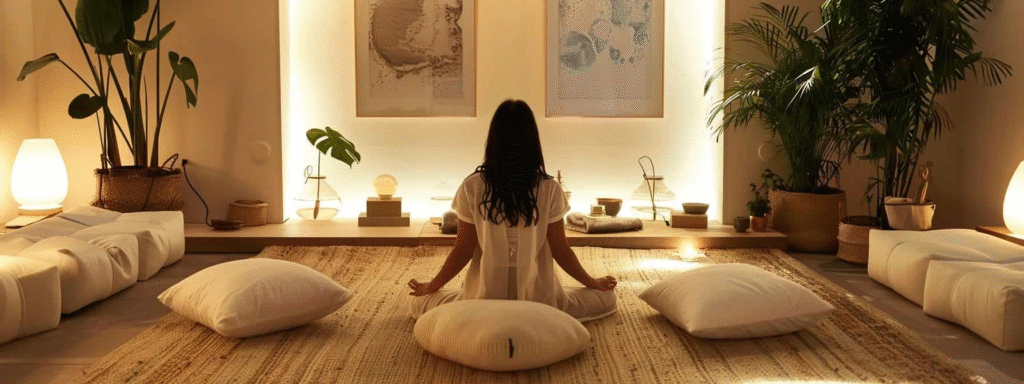
- Create a calm environment soft blankets, dim lamps, quiet atmosphere.
- Be consistent a few minutes each night is more effective than occasional long sessions.
Pair Breathing With Gentle Relaxation Rituals
You can combine breathing practices with small calming habits to deepen the effect:
- Soft stretching or yoga
- Journaling your thoughts
- Listening to calm music or nature sounds
- Sipping herbal tea like chamomile or lavender
The goal is not to force sleep but to allow sleep to come