

Saying “no” is one of the most powerful tools we have yet it’s one many people struggle to use. Whether it’s from wanting to be helpful, avoid conflict, or maintain good relationships, we often say “yes” to things that drain our time, energy, and peace. But learning to say “no” is not selfish. It is an act of self-respect, clarity, and emotional maturity.
When you say “no” to things that do not serve you, you create space for what truly matters. You protect your time, your mental health, and your priorities. And as a result, your life feels more aligned, intentional, and fulfilling.
Why Saying “No” Matters
Every time you say “yes” to something, you’re also saying “no” to something else — often without realizing it. That might be your rest, your goals, or your peace of mind.
- No is a boundary. It prevents overwhelm and burnout.
- No is clarity. It helps you stay aligned with your goals and values.
- No is confidence. It shows you trust your own judgment.
- No is freedom. It gives you control over how your life is shaped.
The more you practice saying “no,” the more natural it becomes and the more your life begins to reflect what you genuinely care about.
Why Saying “Yes” Too Often Can Be Harmful
We often say “yes” because we don’t want to disappoint others. But constantly prioritizing others’ needs can lead to emotional exhaustion and resentment.
| Always Saying Yes | The Consequence |
|---|---|
| Accepting extra work | Burnout and stress |
| Agreeing to social plans you don’t want | Feeling drained and disconnected from yourself |
| Trying to please everyone | Losing sight of your own identity and needs |
Sometimes the greatest respect you can offer others and yourself is honesty.

How to Say “No” Gracefully
Saying “no” doesn’t need to be harsh or defensive. It can be simple, clear, and kind.
Try these approaches:
- Be brief and direct: You don’t owe long explanations.
- Use “I” statements: They keep the message personal and respectful.
- Offer alternatives (if appropriate): Only when you genuinely want to.
- Practice silence: Say your answer and allow it to stand.
For example:
- “Thanks for thinking of me, but I can’t commit to that right now.”
- “I appreciate the offer, but I need to focus on my current priorities.”
- “No, thank you.” (Yes, this can be enough.)
The more comfortable you become with these phrases, the easier it becomes to protect your energy.
Signs Your Life Is Asking for More “No”
- You feel overwhelmed or constantly rushed.
- You regularly put your needs last.
- You feel guilty when you rest.
- Your relationships feel one-sided.
- You say “yes” and immediately regret it.
If any of these feel familiar, your boundaries may need strengthening and saying “no” can help restore balance.
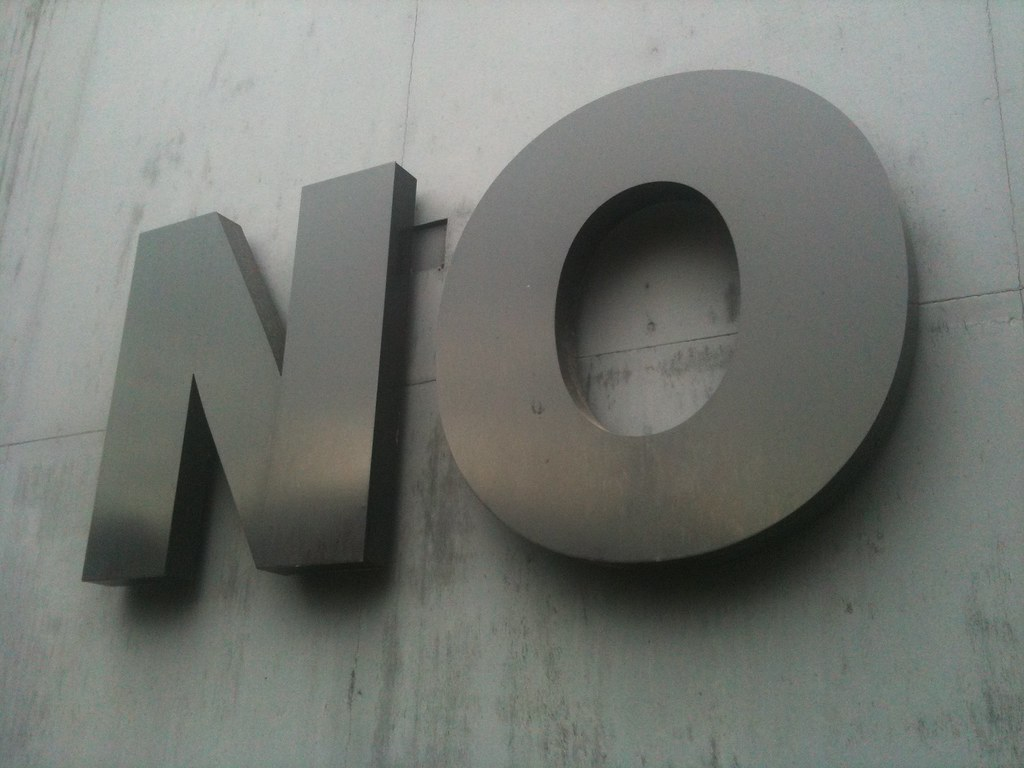
What Happens When You Start Saying No
At first, you may feel uncomfortable. That’s natural especially if you’re used to putting others first. But with time, you’ll begin to notice powerful shifts:
- More time for what fulfills you
- More energy and inner peace
- Greater self-confidence
- Stronger and more genuine relationships
Because when you say “no” in alignment with your values, your “yes” becomes more meaningful.
Your Life Changes When Your Choices Do
Saying “no” is not about rejecting others it’s about honoring yourself. It’s choosing what serves your well-being, your goals, and your peace.
You deserve a life that reflects who you are not who others expect you to be.
Let your next “no” be an act of clarity. Let it protect your energy. Let it open space for the things that truly matter.
Remember: Every meaningful “yes” begins with the courage to say “no” where it counts.