
Finishing a workout doesn’t mean the job is done. What you do after exercising plays a huge role in how your body recovers, how strong you become, and how energized you feel the rest of the day. Post-workout care is where your muscles rebuild, your body recharges, and your fitness progress truly happens.
Whether you’re lifting weights, running, doing yoga, or just starting your fitness journey, supporting your body after a workout ensures better results and less soreness. Let’s break down the key steps your body needs to recover effectively.
Why Post-Workout Recovery Matters
When you exercise, you put stress on your muscles and use up your body’s stored energy. This is a good thing it’s how your body becomes stronger, fitter, and more resilient. But recovery is what allows that growth to happen.
- Repairs muscle fibers and prevents injury
- Restores energy and nutrients
- Improves flexibility and mobility
- Helps reduce soreness and fatigue
- Supports long-term fitness progress
1. Hydration: Replenish Fluids
Your body loses water and electrolytes through sweat. If you don’t replace them, dehydration can leave you tired, dizzy, and sore.
What to drink:
- Water for regular workouts
- Coconut water or electrolyte drinks if you sweat heavily
Aim to sip water during your workout and continue drinking afterward don’t wait until you feel thirsty.
2. Balanced Nutrition: Fuel and Repair
Your body needs two major nutrients after exercise: protein and carbohydrates.
| Nutrient | Role After Workout | Food Ideas |
|---|---|---|
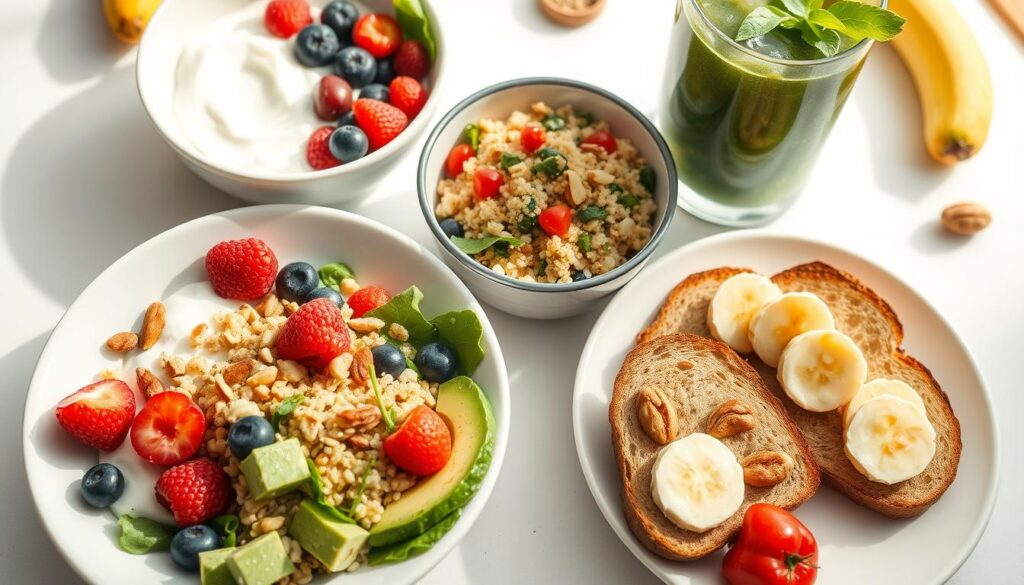
| Protein | Repairs and builds muscle | Eggs, Greek yogurt, chicken, tofu, protein shake |
| Carbohydrates | Refills energy stores | Oats, fruit, rice, whole grain toast, sweet potato |
Ideal Post-Workout Snack Combinations:
- Banana + peanut butter
- Greek yogurt + berries
- Protein shake + oat bar
- Chicken wrap with whole grains
3. Cool Down and Stretch
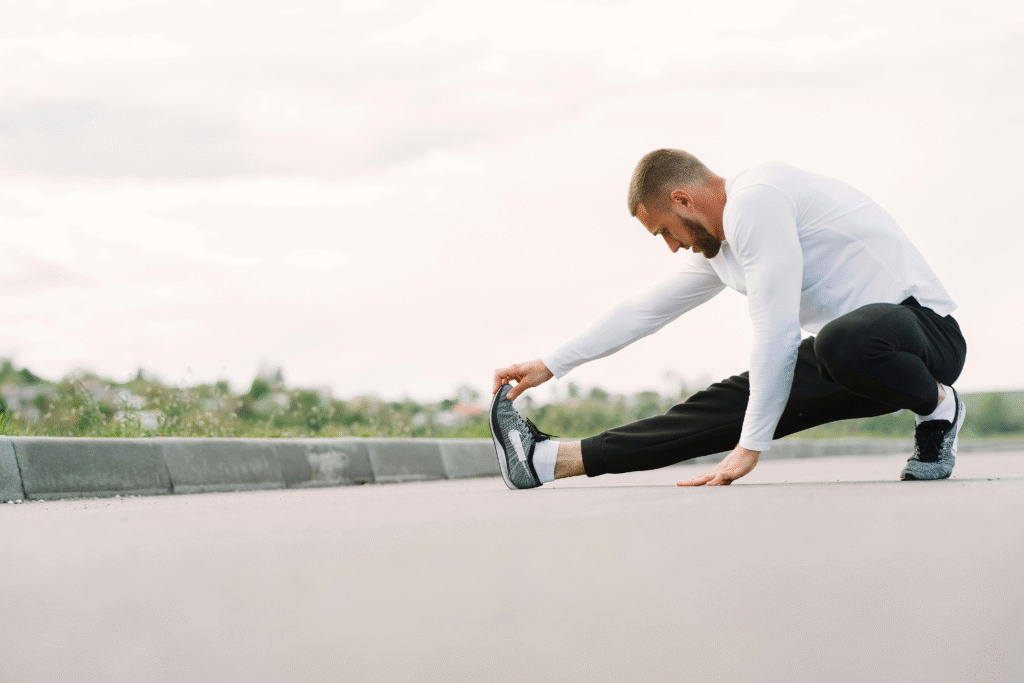
Skipping your cool-down may save time, but it leads to stiffness and tight muscles later. A slow cool-down lowers your heart rate and helps your muscles release tension.
Try These Post-Workout Stretches:
- Hamstring stretch
- Quad stretch
- Shoulder and neck stretch
- Child’s pose
- Hip flexor stretch
Just 5–10 minutes makes a difference.
4. Rest and Sleep
Your muscles grow and repair when you are resting, not while you’re working out. Quality sleep is one of the most powerful forms of recovery.
- Aim for 7–9 hours of sleep nightly
- Try to keep a consistent sleep schedule
- Limit screens before bed to relax your mind
5. Active Recovery
On days you don’t work out, gentle movement helps reduce soreness, improves blood flow, and keeps muscles loose.
Examples of active recovery:
- Light walking
- Yoga or stretching
- Swimming
- Easy cycling
6. Electrolytes and Minerals
Electrolytes like potassium, sodium, and magnesium help keep your muscles and nerves functioning properly. Replenishing them is especially important after sweating.
Foods high in electrolytes:
- Bananas (potassium)
- Avocados (potassium & healthy fats)
- Leafy greens (magnesium)
- Lightly salted nuts (sodium & magnesium)
Sample Post-Workout Routine
- Drink a glass of water
- Do 5–10 minutes of stretching
- Eat a protein + carb meal within 1–2 hours
- Shower to relax muscles and refresh your skin
- Wind down in the evening to support good sleep
What to Avoid After Working Out
- Skipping meals slows recovery
- Overtraining more is not always better
- Going straight to sitting for hours causes stiffness
- Drinking alcohol delays muscle repair
Your Recovery Is Part of the Workout
Think of recovery as your body’s opportunity to get stronger. When you hydrate, fuel up, stretch, and rest properly, you not only feel better you also perform better and progress faster.
Your workout puts in the effort. Your recovery makes it count.